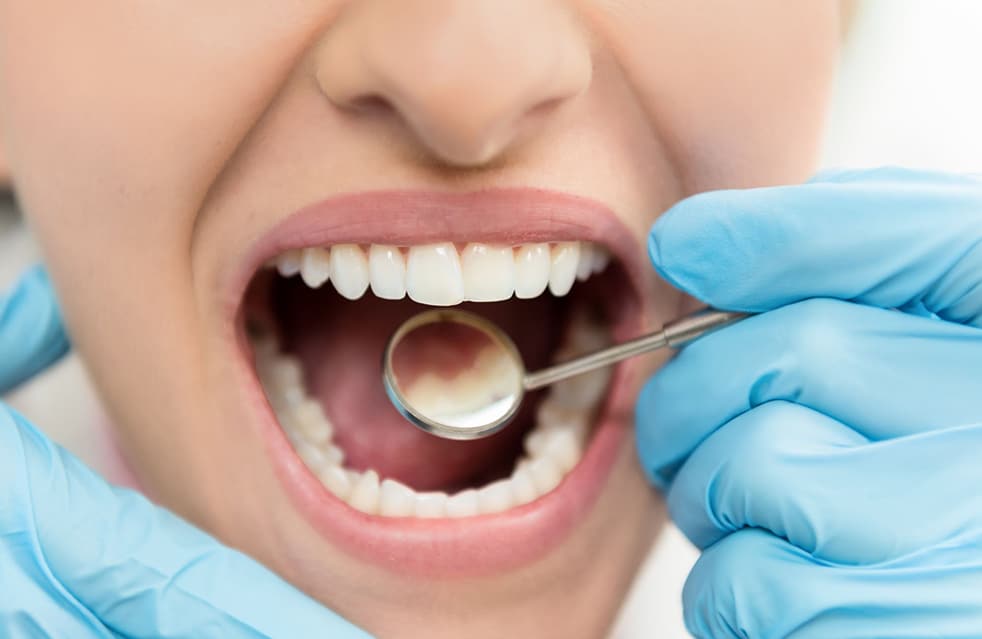
Sedation Therapy for Comfort

Who May Benefit from Sedation Therapy

Sedation therapy may be recommended for patients who experience dental anxiety, have difficulty sitting still, or have certain medical or developmental conditions that make dental treatment challenging. Sedation is optional — it is not required for most procedures — but it can help some patients feel more at ease during their appointment.

Types of Sedation Options

There are several forms of sedation used in dentistry, and the right option depends on the procedure and the patient’s individual needs:

  • Nitrous Oxide (Laughing Gas) – A mild sedative inhaled through a small mask. It helps patients feel relaxed and wears off quickly after the procedure.
  • Oral Sedation – Medication taken in pill form before the appointment to reduce anxiety. Patients remain awake but drowsy.
  • IV Sedation – Medication is delivered through an intravenous line, producing a deeper level of relaxation. Patients are conscious but often less aware of the procedure.
  • General Anesthesia – A deeper level of sedation in which the patient is fully asleep. This is not routinely used in dental offices and is usually reserved for hospital or surgical settings. General anesthesia may be recommended for complex procedures or for patients with significant medical or behavioral needs.
Mall Road Dental professionals are willing and ready to discuss your concerns about sedation and will work with you to find the right solution.

Sedation Therapy at Mall Road Dental

At Mall Road Dental, we can discuss your concerns about sedation and review which options may be available. Not every level of sedation is appropriate for every patient — recommendations depend on health, age, procedure type, and medical history.

Important Considerations

white checkmark

Supports stronger enamel.

white checkmark

Reduces the risk of cavities.

white checkmark

Helps lower the chance of more complex and costly dental treatments in the future.

Sedation Therapy FAQS

Can I choose which sedation option I use?
You can share your preference, and your dentist will recommend an option based on your health, procedure type, and safety.
Will I feel sick?
Most patients do not experience nausea, though mild side effects are possible depending on the type of sedation.
Will I feel groggy afterward?
You may feel sleepy for several hours after oral or IV sedation. Nitrous oxide usually wears off quickly.
When can I return to school or work?
Most patients return to normal activities the following day, but recovery can vary depending on the type of sedation.
What should I do afterward?
Drink water, eat light foods, and follow any post-treatment instructions provided by your dentist.